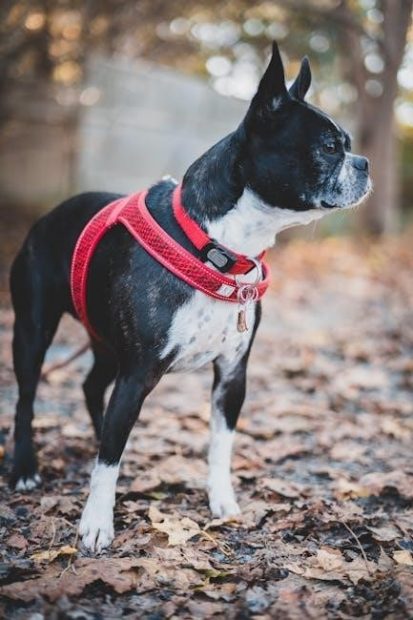
Easy Walk Harnesses are designed for comfortable control‚ distributing pressure evenly across a dog’s chest‚ unlike traditional collars. They’re essential for enjoyable walks!
What is an Easy Walk Harness?
An Easy Walk Harness is a specific type of dog harness engineered to discourage pulling during walks. Unlike standard harnesses or collars that can put strain on a dog’s neck‚ the Easy Walk design features a chest strap that gently steers your dog to the side when they begin to pull forward. This redirection makes it easier for owners to maintain control without causing discomfort or injury to their canine companion.
These harnesses distribute pressure across the chest and shoulders‚ providing a more comfortable and secure experience for the dog. They are particularly beneficial for dogs prone to trachea issues or those who simply pull strongly on the leash. Properly fitted‚ an Easy Walk Harness promotes calmer‚ more enjoyable walks for both dog and owner.
Benefits of Using an Easy Walk Harness
Easy Walk Harnesses offer numerous advantages over traditional collars and harnesses. Primarily‚ they significantly reduce pulling‚ making walks more manageable and enjoyable for both you and your dog. By gently redirecting your dog when they pull‚ these harnesses discourage the behavior without causing pain or choking.
The even distribution of pressure across the chest minimizes strain on the neck‚ benefiting dogs with tracheal issues or sensitivities. They also provide better control‚ especially for larger or stronger breeds. Furthermore‚ the secure fit enhances safety during walks‚ preventing escapes. Ultimately‚ an Easy Walk Harness promotes a calmer‚ more positive walking experience‚ strengthening the bond between you and your furry friend.
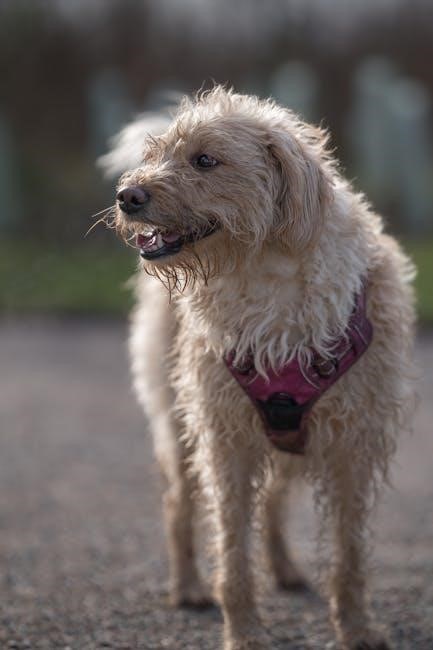
Understanding Dog Sizing for Harnesses
Accurate sizing is crucial for a comfortable and effective fit‚ ensuring the harness doesn’t rub or restrict movement‚ and maintains secure control.
Why Accurate Sizing Matters
Choosing the correct size for your dog’s Easy Walk Harness is paramount for both comfort and safety during walks. A harness that’s too small can cause chafing and restrict your dog’s natural movement‚ leading to discomfort and potential skin irritation. Conversely‚ a harness that’s too large risks slipping off during activity‚ compromising control and potentially allowing your dog to escape.
Proper sizing ensures the harness distributes pressure evenly across your dog’s chest‚ minimizing strain on their neck and trachea. This is particularly important for dogs prone to pulling or with respiratory sensitivities. A well-fitted harness allows for a secure‚ yet comfortable‚ experience‚ fostering a more enjoyable walk for both you and your canine companion. Ignoring accurate measurements can negate the harness’s benefits and even cause harm.
Key Measurements Needed
Accurate measurements are crucial for selecting the right Easy Walk Harness size; The primary measurement needed is your dog’s chest girth – measured at the widest part of their chest‚ just behind the front legs. Use a flexible measuring tape‚ ensuring it’s snug but not tight.
While not always required‚ a neck girth measurement may be necessary for certain harness styles‚ particularly those with adjustments around the neck. Finally‚ your dog’s weight serves as a secondary indicator‚ helping to confirm the size range. Remember that weight alone isn’t sufficient‚ as breeds vary significantly in build. Always prioritize chest girth as the primary determinant for a proper fit.
Chest Girth Measurement
Measuring chest girth is the most important step in finding the correct Easy Walk Harness size. Locate the widest part of your dog’s chest‚ typically behind their front legs. Wrap a flexible measuring tape around this area‚ ensuring a snug but comfortable fit – not too tight‚ and not too loose.
Keep the tape measure level and parallel to the ground. Record the measurement in inches or centimeters‚ depending on the size chart you’re using. This measurement directly corresponds to the harness size‚ so accuracy is key. If your dog has a particularly deep chest‚ measure at the deepest point to ensure a proper fit and avoid discomfort during walks.
Neck Girth Measurement (If Applicable)
Neck girth measurement isn’t always required for Easy Walk Harnesses‚ as many designs prioritize chest fit. However‚ some brands or styles may benefit from this measurement to ensure the harness doesn’t slip or rub. To measure‚ wrap a flexible tape around the base of your dog’s neck‚ where a collar would naturally sit.
Ensure the tape is snug but allows room for two fingers to slide comfortably underneath. Record the measurement. This is particularly useful for harnesses with neck straps or those designed to prevent escape. Refer to the specific brand’s size chart to determine if neck girth is a factor in their sizing recommendations. Accurate neck measurement contributes to overall harness security and comfort.
Weight as a Secondary Indicator
Dog weight serves as a helpful‚ but secondary‚ indicator when selecting an Easy Walk Harness size. While chest and‚ if applicable‚ neck girth are primary measurements‚ weight provides a general guideline. Harness manufacturers often include weight ranges within their size charts‚ correlating with specific girth measurements.
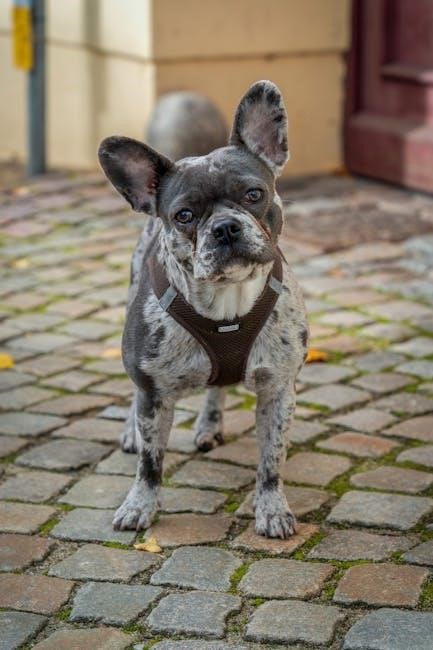
However‚ relying solely on weight can be misleading‚ as dogs of the same weight can have vastly different body shapes and builds. A muscular dog will require a larger size than a slender dog of the same weight. Always prioritize girth measurements for the most accurate fit. Use weight as a confirmation tool‚ ensuring the chosen size aligns with your dog’s overall build and measurements.
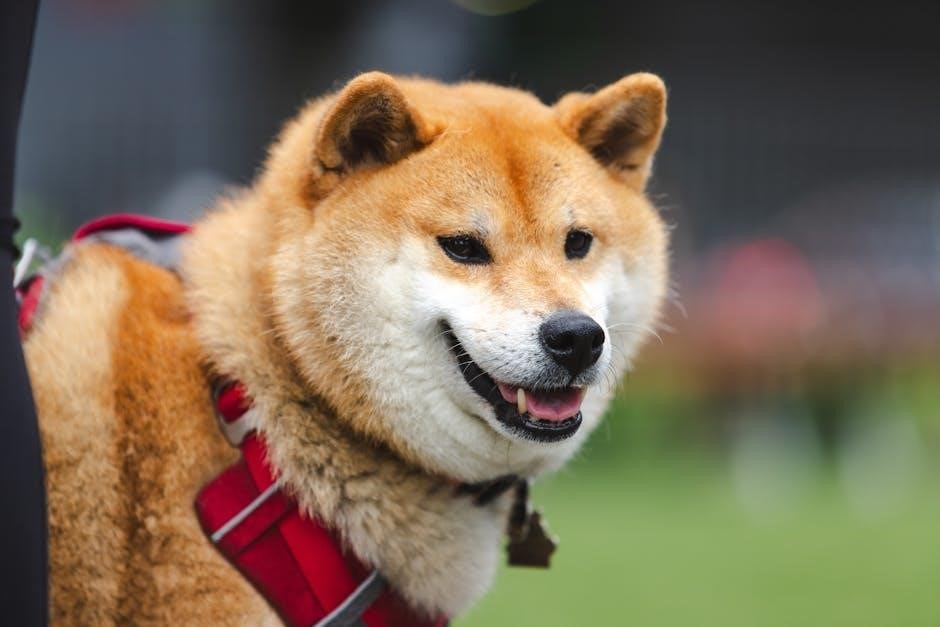
Easy Walk Harness Size Chart – General Guidelines
Generally‚ harnesses come in four sizes: small‚ medium‚ large‚ and extra-large‚ but remember that sizing isn’t always consistent between brands.
Small Harness Sizes
Small harnesses typically cater to dogs with chest girths ranging from approximately 34 to 50 centimeters (or roughly 13 to 20 inches). This size often suits smaller breeds like Chihuahuas‚ Yorkshire Terriers‚ Pomeranians‚ and Miniature Poodles. However‚ it’s crucial to remember that breed is just a guideline; individual dogs within a breed can vary significantly in size.
Weight is a secondary indicator‚ but generally‚ small harnesses are appropriate for dogs weighing under 10 kilograms (approximately 22 pounds). When selecting a small harness‚ always prioritize the chest girth measurement for the most accurate fit. Ensure the harness allows for a comfortable range of motion without being too loose or restrictive. Proper adjustment is key for a secure and enjoyable walking experience.
Medium Harness Sizes
Medium sized harnesses generally fit dogs with a chest girth measuring between 38 and 60 centimeters (approximately 15 to 24 inches). This size range commonly accommodates breeds like Beagles‚ French Bulldogs‚ Cocker Spaniels‚ and smaller Labrador Retrievers. However‚ remember that these are just averages‚ and individual dog builds can differ considerably.
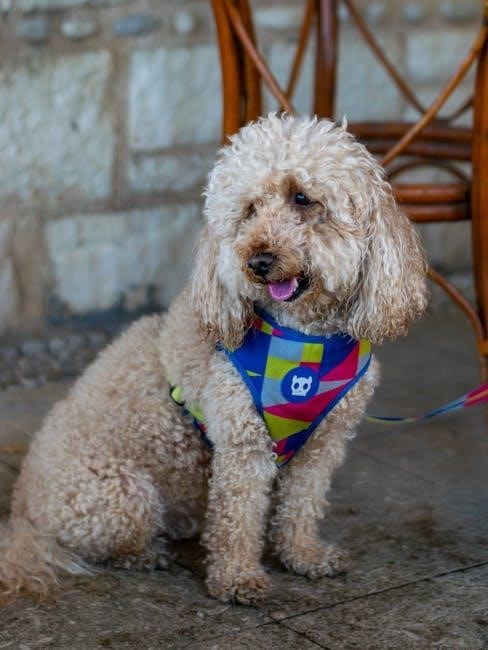
Weight-wise‚ medium harnesses are usually suitable for dogs weighing between 10 and 20 kilograms (roughly 22 to 44 pounds). Accurate chest girth measurement remains the most important factor in determining the correct size. A well-fitting medium harness should allow for comfortable movement without slipping or chafing. Always check for proper adjustment to ensure a secure‚ yet not overly tight‚ fit for your canine companion’s comfort and safety.
Large Harness Sizes
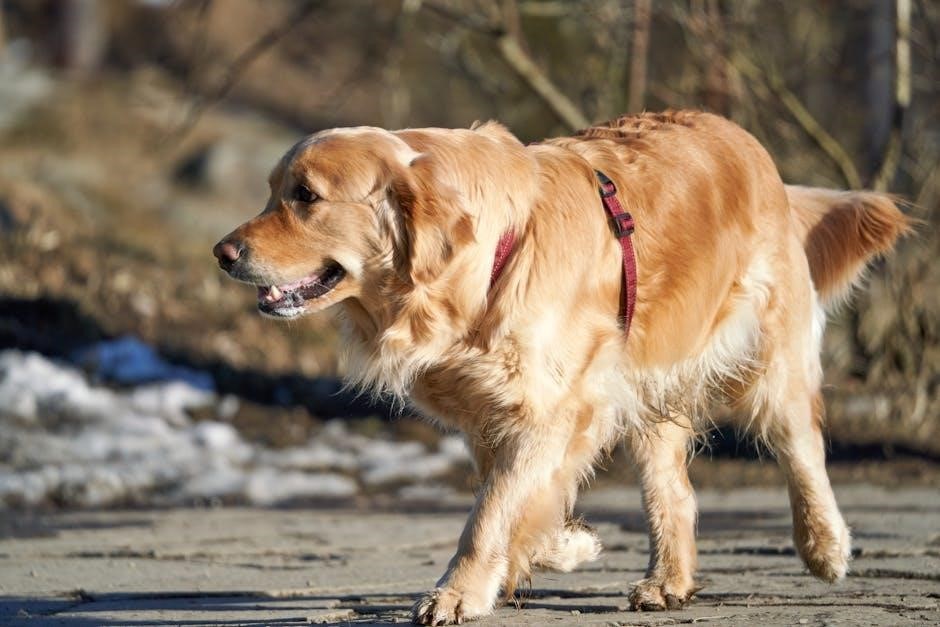
Large harnesses typically cater to dogs with a chest girth ranging from 42 to 70 centimeters (approximately 16.5 to 27.5 inches). This size often suits breeds such as Border Collies‚ Boxers‚ and smaller German Shepherds. It’s crucial to remember that breed is a guideline‚ and individual variations exist. Always prioritize measurement over breed assumptions.
Regarding weight‚ large harnesses generally fit dogs weighing between 20 and 30 kilograms (roughly 44 to 66 pounds). A properly fitted large harness should allow a full range of motion without being restrictive or prone to slipping off during walks. Ensure the straps are adjusted snugly‚ allowing space for two fingers between the harness and your dog’s body. Prioritize comfort and security for a pleasant walking experience.
Extra Large Harness Sizes
Extra Large harnesses are designed for the biggest canine companions‚ accommodating chest girths typically between 70 and 93 centimeters (approximately 27.5 to 36.6 inches). This size is generally suitable for larger breeds like Great Danes‚ Mastiffs‚ and Saint Bernards. However‚ remember that individual dogs within a breed can vary significantly in size and build.
Weight-wise‚ extra-large harnesses usually fit dogs weighing over 30 kilograms (66 pounds)‚ often exceeding 45 kilograms (99 pounds) or more for very large breeds. A secure fit is paramount; the harness shouldn’t restrict movement but must prevent escape. Proper adjustment is key – two fingers should comfortably fit under the straps. Prioritize a comfortable‚ secure fit to ensure enjoyable and safe walks for both you and your large dog.
Brand-Specific Size Charts
Different brands‚ like Kong‚ JULIUS-K9‚ and Softline‚ have unique sizing systems; consulting their specific charts is crucial for an accurate and comfortable fit.
Kong Easy Walk Harness Sizing
Kong Easy Walk Harnesses are renowned for their quality and effectiveness in discouraging pulling. To ensure a proper fit‚ accurate measurement is key. Kong sizing is generally based on chest girth‚ though weight can serve as a secondary guide. Small sizes typically fit chest girths ranging from 14 to 20 inches‚ while medium harnesses accommodate 22 to 26 inches. Larger dogs‚ with chest measurements between 26 and 32 inches‚ usually require a large size. Extra-large harnesses are designed for chest girths exceeding 32 inches.
It’s vital to measure your dog’s chest at the widest point‚ behind the front legs. Always refer to the official Kong size chart on their website or retailer pages for the most up-to-date and precise sizing information‚ as variations can occur. A properly fitted Kong harness will allow a snug‚ yet comfortable‚ fit without restricting movement.
JULIUS-K9 Harness Sizing
JULIUS-K9 harnesses are celebrated for their durability and ergonomic design‚ offering both comfort and control. Sizing primarily depends on chest circumference‚ measured at the withers – the widest part of the dog’s chest. Baby 1 sizes fit dogs with a chest circumference of 29-36 cm‚ while size 0 accommodates 36-43 cm. Size 1 fits 43-58 cm‚ Size 2 ranges from 58-71 cm‚ and Size 3 is for chests measuring 71-85 cm.
Weight can be a helpful secondary indicator‚ but chest girth is paramount. The JULIUS-K9 family offers a wide range of sizes to suit various breeds and builds. Always consult the official JULIUS-K9 size chart for the most accurate fit‚ as slight variations may exist between models. A well-fitted harness ensures optimal comfort and prevents chafing during walks.
Softline Harness Sizing
Softline Harnesses prioritize comfort with their soft‚ breathable materials and adjustable straps. Sizing is determined by both chest and neck circumference‚ ensuring a secure and comfortable fit. Small harnesses fit chest sizes of 34-50 cm and neck sizes of 50-66 cm‚ with a strap width of 2 cm and back length of 15 cm.
Medium harnesses accommodate chests of 38-60 cm and necks of 56-78 cm‚ featuring a 2.5 cm strap width and 17.5 cm back length. Large sizes fit chests from 42-70 cm and necks from 65-93 cm‚ maintaining the 2.5 cm width and extending the back length to 19.5 cm. Accurate measurement is crucial for optimal comfort and preventing slippage during walks.
Tips for Choosing the Right Size
Prioritize accurate measurements of your dog’s chest and‚ if applicable‚ neck. Consider breed build; adjust straps for a snug‚ secure fit—not too tight!
When Your Dog is Between Sizes
Navigating sizing can be tricky when your canine companion falls between standard measurements. Generally‚ it’s often recommended to size up rather than down‚ ensuring the harness isn’t constricting and allows for comfortable movement. A slightly larger harness offers more adjustability‚ letting you fine-tune the fit.
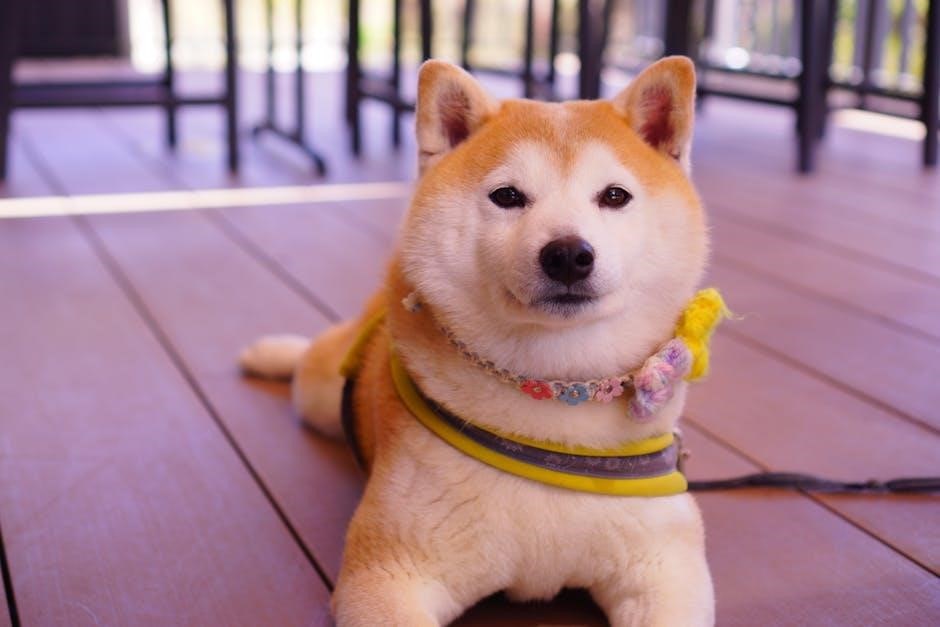
However‚ consider your dog’s build. If they are closer to the smaller size measurement‚ but heavily muscled‚ sizing up might create excessive looseness. In such cases‚ carefully assess the adjustability range of the harness. Prioritize a secure fit that prevents escape while allowing a couple of fingers to comfortably slide under the straps. Don’t hesitate to consult the specific brand’s sizing advice‚ as recommendations can vary.
Adjusting the Harness for a Secure Fit
Proper adjustment is crucial for both comfort and effectiveness. Begin by loosening all straps before placing the harness on your dog. Once on‚ tighten the chest strap first‚ ensuring it sits snugly but not tightly around their ribcage – you should be able to fit two fingers underneath.
Next‚ adjust the over-the-head strap to prevent escape‚ but avoid making it so tight it restricts breathing. Finally‚ refine the side straps for a balanced and secure fit. Regularly check the harness during walks to ensure it hasn’t shifted. A well-fitted harness allows full range of motion without slipping or chafing‚ maximizing control and your dog’s comfort.
Considering Your Dog’s Breed and Build
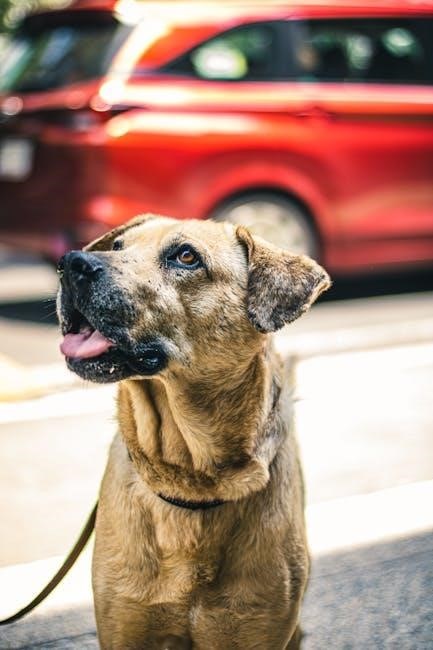
Breed and body type significantly impact harness fit. Deep-chested breeds like Greyhounds require different considerations than broad-chested breeds like Bulldogs. Muscular builds‚ such as those of Boxers or Pit Bulls‚ may necessitate sizing up to accommodate their physique. Conversely‚ slender breeds like Whippets might need a tighter fit to prevent slippage.
Consider whether your dog is a standard build or has unique proportions. Some harnesses are designed specifically for certain breeds. Always prioritize a snug‚ yet comfortable fit that doesn’t restrict movement or cause chafing. Remember‚ size charts are guidelines; individual variation is common‚ so careful assessment is key.
Where to Find More Detailed Size Information
For precise measurements and brand-specific guidance‚ explore manufacturer websites and retailer size guides; they offer detailed charts for optimal harness selection.
Manufacturer Websites
Directly visiting the manufacturer’s website is often the most reliable way to access the most current and detailed sizing information for their Easy Walk Harnesses. Kong’s official site‚ for example‚ provides specific charts tailored to their harness models‚ ensuring a precise fit for your canine companion. Similarly‚ JULIUS-K9’s website offers comprehensive size guides‚ detailing chest circumference and weight recommendations for each harness size‚ from Baby1 to larger options.
Softline Harnesses also feature detailed size charts on their website‚ including measurements for chest and neck girth‚ alongside width and length specifications. These resources often include helpful visuals and instructions on how to accurately measure your dog‚ minimizing the risk of ordering an incorrect size. Checking the official source guarantees you’re using the latest data‚ as sizing can sometimes be updated or revised.
Retailer Size Guides
Many pet retailers offer size guides alongside their Easy Walk Harness listings‚ providing a convenient way to determine the appropriate fit for your dog. These guides frequently consolidate sizing information from various brands‚ like Kong‚ JULIUS-K9‚ and Softline‚ into a single‚ easy-to-understand chart. However‚ it’s crucial to remember that retailer guides may not always be entirely up-to-date or as detailed as the manufacturer’s official resources.
Essential Collars‚ for instance‚ provides a basic size chart based on chest circumference‚ while others may offer more comprehensive measurements. Always cross-reference retailer information with the manufacturer’s website to ensure accuracy. Pay attention to any specific notes or disclaimers regarding sizing variations between brands or models. Utilizing multiple sources can help confirm the best size for your furry friend‚ preventing returns and ensuring a comfortable fit.