Understanding Your GE Stove Self-Cleaning Oven
GE ovens utilize high temperatures to burn away food residue during the self-clean cycle, ensuring a spotless interior and simplifying kitchen maintenance for users.
GE’s self-cleaning oven technology represents a significant advancement in appliance convenience. This feature employs extremely high temperatures – often exceeding 880°F (470°C) – to pyrolytically clean the oven’s interior. During the cycle, food residue is reduced to ash, which can then be easily wiped away post-cooling.
This process eliminates the need for harsh chemical cleaners and strenuous manual scrubbing. The technology relies on a door locking mechanism for safety, preventing accidental opening during the intense heat. Modern GE ovens incorporate sensors and controls to manage the cycle effectively, ensuring optimal cleaning and user safety. It’s a revolutionary approach to oven maintenance.
Benefits of Using the Self-Clean Cycle
Employing the self-clean cycle on your GE oven delivers numerous advantages. It drastically reduces the effort required for oven maintenance, eliminating tedious scrubbing and the need for abrasive cleaning products. This cycle effectively removes baked-on grease and food spills, restoring the oven to a like-new condition.
Furthermore, it’s a safer alternative to harsh chemicals, minimizing fumes and residue. The high-heat process also sanitizes the oven interior. By regularly utilizing this feature, you maintain optimal oven performance and extend its lifespan, ensuring consistently delicious cooking results.
Preparing for the Self-Clean Cycle
Prior to initiating the self-clean cycle, remove oven racks and any loose debris; proper preparation ensures effective cleaning and prevents potential damage.
Removing Oven Racks and Accessories
Before starting the self-clean cycle on your GE stove, it’s crucial to remove all oven racks, broiler pans, baking stones, and any other accessories stored inside. The intense heat generated during the cycle can warp or discolor these items.
Removing them also allows for more efficient cleaning, as the heat can circulate freely. Some models may advise leaving the temperature sensor in place, but always consult your owner’s manual.
Ensure racks are completely cool before handling. Store removed items in a safe location away from the oven during the cleaning process.
Wiping Up Loose Debris and Spills
Prior to initiating the self-clean cycle on your GE oven, manually wipe up any large spills, loose food particles, or grease buildup inside the oven cavity. While the self-clean function handles baked-on residue, removing excess debris improves its efficiency and minimizes smoke.
A damp cloth or sponge works well for this task; avoid abrasive cleaners. Pay particular attention to the oven floor and areas where spills commonly occur.
This preliminary step ensures a more thorough clean and reduces potential odors during the high-heat cycle.
Ensuring Proper Ventilation
Adequate ventilation is crucial when running the self-clean cycle on your GE oven. The high temperatures generate fumes, and proper airflow helps dissipate them safely. Open windows in the kitchen, and consider turning on the kitchen exhaust fan to enhance ventilation during the cleaning process.
If you have sensitive respiratory conditions or birds, ensure they are moved to a well-ventilated area away from the kitchen.
Good airflow minimizes odors and ensures a healthier environment while the oven self-cleans.
Initiating the Self-Clean Cycle
To begin, select the self-clean option on your GE oven’s control panel, ensuring the door is fully latched for a secure and safe process.
Selecting the Self-Clean Cycle Option
GE stove self-clean cycles are typically initiated through the oven’s control panel. Locate the “Self Clean” button – it may be labeled differently depending on your model, but the function remains consistent. Pressing this button activates the cleaning process. Some models offer varied cleaning levels, ranging from light cleaning for minimal residue to heavy-duty cleaning for heavily soiled ovens.
Before selecting, ensure the oven door is completely closed. The control panel will guide you through any necessary confirmations or prompts. Remember, the oven door will automatically lock during the cycle for safety, preventing interruption and maintaining high temperatures. Always refer to your specific model’s manual for detailed instructions and available options.
Setting the Cleaning Duration
GE ovens often provide options for adjusting the self-clean cycle’s duration, typically ranging from 2 to 4 hours. The appropriate length depends on the oven’s soil level; lighter soiling requires shorter cycles, while heavily soiled ovens benefit from extended cleaning times. Some newer models feature an automatic sensing function that determines the optimal duration based on accumulated residue.
Consult your oven’s manual to understand the specific duration settings available on your model. Selecting a longer cycle ensures thorough cleaning, but also consumes more energy. Once selected, the oven will automatically manage the cleaning process, maintaining the necessary high temperatures throughout the chosen duration.
Door Locking Mechanism and Safety Features
GE self-cleaning ovens feature an automatic door locking system that engages when the cycle begins, preventing accidental opening during the high-temperature process. This is a crucial safety feature, protecting users from burns. The door remains locked until the oven cools down to a safe temperature, typically indicated by the lock disengaging automatically.
If the door doesn’t lock, the cycle won’t start. A faulty door latch or switch can prevent locking; ensure proper engagement. Never attempt to force the door open during the cycle. These ovens also include temperature sensors and safety shut-offs to prevent overheating.

Troubleshooting Common Issues
GE oven self-clean problems often involve cycle start failures, premature stops, or error codes; checking the door latch is a vital first step.
Oven Not Starting Self-Clean Cycle
If your GE oven’s self-clean cycle refuses to initiate, several factors could be at play. First, verify the oven isn’t already too hot; allow it to cool completely before attempting the cycle. A crucial element is the door latch – ensure it’s fully engaged, as the cycle won’t start if the door isn’t securely locked.
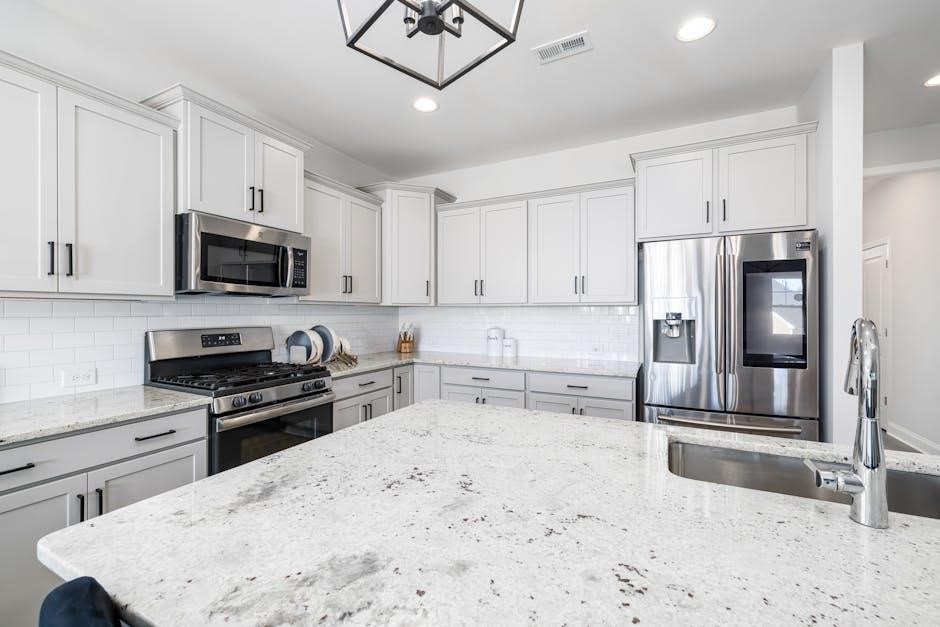
Inspect the door lock switch and motor for potential failures. These components are essential for activating the self-clean function. Additionally, confirm that no error codes are displayed, as these can pinpoint the specific issue. A faulty temperature sensor might also prevent the cycle from beginning, as it could incorrectly indicate a high oven temperature. Finally, double-check your oven’s manual for specific troubleshooting steps related to your model.
Cycle Stopping Prematurely
A self-clean cycle halting before completion on a GE oven can stem from various causes. A common reason is a power interruption; even a brief outage can disrupt the process. The door latch mechanism is again critical – if it momentarily disengages during the cycle, safety features will automatically stop it.
Overheating can also trigger a premature shutdown, often indicated by an error code. Ensure proper ventilation around the oven. A faulty temperature sensor might misread the oven’s temperature, causing it to halt. Inspect the door seal for damage, as a compromised seal can affect temperature regulation. Finally, consult your oven’s manual for model-specific troubleshooting guidance.
Error Codes and Their Meanings
GE stove self-clean cycles often communicate issues via error codes. While specific codes vary by model, some are common. An “F1” or “F2” code frequently indicates a door lock issue – the latch may not be fully engaged, or the lock motor is malfunctioning. “E0” often signals a temperature sensor problem, preventing the cycle from reaching the necessary heat.
Codes related to the control board (like “F10”) suggest a more serious electronic fault. Always consult your GE oven’s user manual for a complete list of error codes and their corresponding solutions. Ignoring error codes can lead to further damage or unsafe operation.
Post-Cycle Procedures
After the self-clean cycle completes, allow the oven to cool completely before opening the door and wiping away any remaining ash residue inside.
Allowing the Oven to Cool Down
It is crucial to allow your GE stove’s oven to cool down completely after the self-clean cycle finishes before attempting to open the door. The self-clean process reaches extremely high temperatures – often exceeding 800°F – and residual heat remains even after the cycle concludes.
Attempting to open the door prematurely poses a significant burn risk. The oven’s door locking mechanism is designed to prevent accidental opening during this period, prioritizing user safety. Patience is key; the cooling process can take several hours, depending on the cycle duration and ambient temperature.
Avoid any contact with the oven’s interior until it’s cool to the touch.
Wiping Away Ash Residue
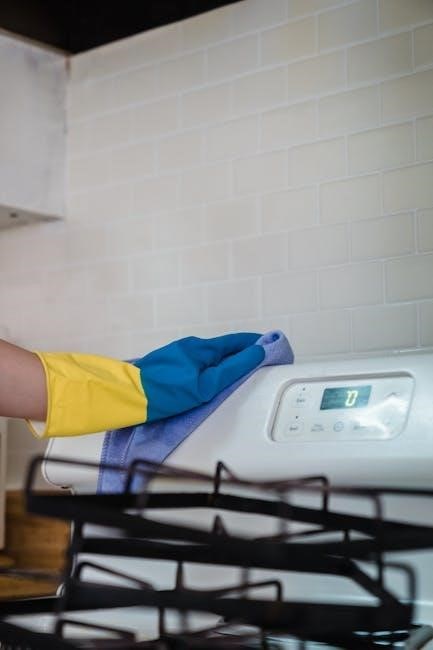
Once the oven has fully cooled, a fine layer of ash residue will remain on the oven’s interior surfaces. This is a normal byproduct of the self-clean cycle, representing the burned-off food particles. Dampen a soft cloth or sponge with water and gently wipe away this ash.
Avoid using abrasive cleaners or scouring pads, as these can damage the oven’s enamel coating. For stubborn residue, a paste of baking soda and water can be effective. Ensure all traces of ash are removed before using the oven for cooking again.
This simple step restores a clean and hygienic cooking environment.
Checking Door Seal Integrity
A properly sealed oven door is crucial for both safety and efficient self-cleaning. After the cycle completes and the oven has cooled, carefully inspect the door seal (gasket) around the perimeter of the oven opening. Look for any signs of damage, such as cracks, tears, or warping.
Ensure the seal is firmly attached to the oven frame and creates a tight closure when the door is shut. A compromised seal can allow heat and fumes to escape during the self-clean cycle, potentially posing a hazard. If damage is detected, replace the seal promptly.
Maintenance and Care
Regular cleaning of the oven door and latch, alongside filter maintenance when applicable, extends the lifespan and maintains optimal performance of your GE stove.
Cleaning the Oven Door
Maintaining a clean oven door is crucial for both aesthetics and functionality. Avoid abrasive cleaners, as they can damage the glass surface; instead, opt for a mild dish soap and warm water solution. Gently wipe down the interior and exterior glass surfaces with a soft cloth or sponge, ensuring all residue is removed.
For stubborn stains, create a paste of baking soda and water, apply it to the affected area, let it sit for a short period, and then wipe clean. Pay close attention to the area around the door seal, ensuring it remains free of debris to maintain a proper seal during cooking and self-cleaning cycles. Regular cleaning prevents buildup and ensures optimal oven performance.
Inspecting and Cleaning the Door Latch
The door latch is a critical safety component for the self-clean cycle; ensure it engages fully and securely. Regularly inspect the latch for any signs of damage, wear, or debris buildup. Clean the latch mechanism with a dry cloth to remove any accumulated grease or food particles that could impede its function.
A faulty latch prevents the oven from locking properly, halting the self-clean cycle for safety reasons. If the latch appears damaged or doesn’t engage smoothly, it may require professional repair or replacement. A properly functioning latch guarantees the oven door remains sealed during the high-temperature cleaning process.
Filter Maintenance (If Applicable)
Some GE stove models feature filters designed to capture grease and odors during cooking and the self-clean cycle. If your oven has a filter, regularly inspect it for buildup. A clogged filter reduces airflow and can affect oven performance. Remove the filter carefully, following the manufacturer’s instructions, and clean it thoroughly with warm, soapy water.
Ensure the filter is completely dry before reinstalling it. A clean filter contributes to efficient oven operation and helps maintain air quality in your kitchen. Refer to your oven’s manual for specific filter location and cleaning guidelines.
Safety Precautions
Always keep children and pets away during the self-clean cycle due to extremely high temperatures, and address any unusual smells immediately.
Avoiding Use During High Temperatures
It’s crucial to avoid initiating the self-clean cycle immediately after cooking, as the oven’s internal temperature may still be elevated. The self-clean function won’t start if the oven is too hot, representing a vital safety feature. Allow sufficient cooling time – ideally, the oven should be completely cool to the touch – before selecting this option.
Attempting to run the cycle while the oven is warm could potentially damage internal components or even pose a fire hazard. Patience is key to ensuring both the longevity of your GE appliance and the safety of your household. Always prioritize a fully cooled oven before activating the self-cleaning process.
Keeping Children and Pets Away
During the self-clean cycle, the oven’s exterior surfaces become extremely hot, presenting a significant burn risk. It is absolutely essential to keep children and pets a safe distance away from the appliance throughout the entire process. Establish a clear boundary and supervise diligently to prevent accidental contact.
The door locking mechanism is a safety feature, but it doesn’t eliminate the hazard of external heat. Explain the dangers to children and ensure pets are confined to another area. Prioritize their safety by maintaining a secure environment while the self-clean cycle is in operation, safeguarding against potential injuries.
Addressing Unusual Smells or Smoke
Some odor and a small amount of smoke are normal during the self-clean cycle, especially with heavily soiled ovens, as food residue burns off at high temperatures. However, excessive smoke or a burning plastic smell indicates a problem. Immediately stop the cycle and disconnect the oven’s power supply.
Ensure proper ventilation by opening windows and turning on the kitchen exhaust fan. If the smell persists or smoke is substantial, contact a qualified appliance repair technician. Do not attempt to diagnose or fix the issue yourself, as it could be hazardous. Prioritize safety and professional assistance.