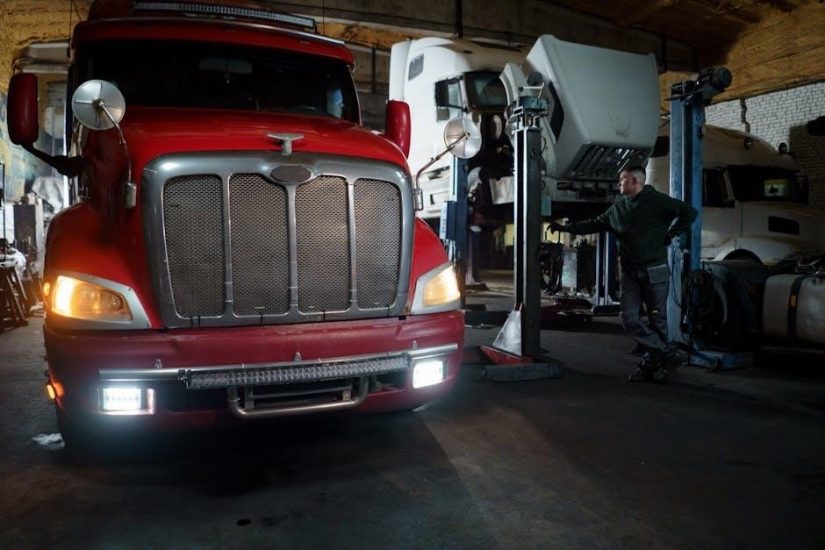
Navigating Volvo truck electrical systems requires accurate diagrams; Decathlon offers varied bikes, mirroring the complexity of truck wiring – essential for efficient repairs and upgrades.
Why Accessing Wiring Diagrams is Crucial
Accurate Volvo truck wiring diagrams are paramount for effective diagnostics and repairs, minimizing downtime and ensuring safety. Like selecting the right Decathlon bike for terrain, having the correct diagram streamlines troubleshooting. Without them, identifying faults becomes guesswork, potentially leading to costly errors and compromised vehicle performance. Understanding the electrical layout is vital for modifications, installations, and maintaining the complex systems within modern Volvo trucks, mirroring the need for specialized tools for bike maintenance.
Understanding Volvo Truck Electrical Systems
Volvo truck electrical systems are increasingly sophisticated, employing CAN bus networks and multiplexing for efficient data communication – akin to the specialized components in a Decathlon VTC. These systems control everything from engine management to safety features. Wiring diagrams reveal the intricate connections between sensors, actuators, and control modules. Grasping this architecture is crucial for pinpointing issues, as a fault in one area can cascade through the entire network, demanding a systematic approach to diagnosis and repair.

Locating Volvo Truck Wiring Diagrams PDF
Finding Volvo truck wiring diagrams in PDF format involves exploring official Volvo resources like TechTool CX, alongside third-party providers offering both free and paid options.
Official Volvo Resources – TechTool CX
Volvo’s TechTool CX represents a primary, official avenue for accessing comprehensive wiring diagrams in PDF or interactive digital formats. This diagnostic software, frequently utilized by authorized Volvo dealerships and technicians, provides detailed electrical schematics specific to each truck model and its configuration.
Access typically requires a subscription or licensing agreement, reflecting the value of the detailed and up-to-date information contained within. TechTool CX isn’t merely a diagram repository; it integrates diagnostic capabilities, allowing users to pinpoint faults and trace wiring paths directly within the software interface, streamlining troubleshooting processes significantly.
Third-Party Diagram Providers
Beyond official Volvo resources, several third-party providers offer Volvo truck wiring diagrams, often in PDF format. These alternatives can be more accessible for independent mechanics or owners, though quality and accuracy can vary considerably. Mitchell 1 and Identifix are examples of companies providing diagnostic information, including wiring schematics, for various vehicle makes, including Volvo trucks.
Careful evaluation of the provider’s reputation and the diagram’s completeness is crucial before purchase. Some services offer subscription-based access, while others sell diagrams individually. Always verify compatibility with your specific truck model and year.
Free vs. Paid Wiring Diagram Options
Finding free Volvo truck wiring diagrams can be tempting, but often results in incomplete, inaccurate, or outdated information. While some online forums or communities might share diagrams, their reliability is questionable and could lead to misdiagnosis or damage. Paid options, sourced from official Volvo TechTool CX or reputable third-party providers, generally offer comprehensive and verified schematics.
Investing in accurate diagrams saves time, reduces errors, and ensures safe and effective repairs. Consider the cost of potential damage versus the price of a reliable wiring diagram resource.

Decoding Volvo Wiring Diagram Symbols
Understanding Volvo’s symbols – like those for connectors and components – is crucial; Decathlon’s bike variety highlights the need for specific knowledge, mirroring complex truck systems.
Common Symbol Meanings
Volvo wiring diagrams utilize standardized symbols representing electrical components. A square often denotes a relay, while circles signify connectors. Resistors are typically depicted as zig-zag lines, and capacitors as parallel lines. Ground connections are shown with a downward-pointing triangle, and power sources with a plus (+) or minus (-) sign. Decathlon’s diverse bike range, from VTC to VTT, parallels this need for clear, consistent symbols to understand complex systems. Recognizing these symbols is fundamental for accurate diagnosis and repair, ensuring efficient troubleshooting of electrical faults within the Volvo truck’s network.
Color Coding Conventions
Volvo employs a specific color-coding system for its wiring harnesses, aiding in quick identification of circuits. Typically, red indicates positive power, while black signifies ground. Blue often represents sensor signals, and yellow denotes switched power. Decathlon’s bike selection, like the Riverside VTC, showcases varied components needing clear identification. However, variations exist between models and years, necessitating a reliable wiring diagram. Understanding these conventions streamlines troubleshooting, allowing technicians to trace circuits efficiently and accurately diagnose electrical issues within the Volvo truck’s complex system.
Understanding Connector Types
Volvo trucks utilize a diverse range of connectors, each designed for specific applications and environmental conditions. Common types include Deutsch connectors, known for their sealing capabilities, and multi-pin connectors for complex systems. Decathlon’s bike components, though simpler, also rely on secure connections. Wiring diagrams detail connector pinouts, crucial for proper component installation and testing. Identifying connector types is vital for accurate repairs, as incorrect mating can lead to corrosion and signal loss. Familiarity with these connectors, alongside a detailed diagram, ensures efficient troubleshooting.

Specific Volvo Truck Model Wiring Diagrams
Detailed diagrams vary significantly between Volvo models – FH, FM, and VNL series each possess unique electrical architectures, demanding model-specific documentation for accurate repairs.
Volvo FH Series Wiring Diagrams
The Volvo FH series, known for its long-haul capabilities, features a complex electrical system. Accessing specific wiring diagrams for these trucks is paramount for diagnosing issues ranging from lighting malfunctions to sophisticated engine control unit (ECU) problems. Diagrams detail the intricate network of sensors, actuators, and the central processing units.
Locating accurate FH series diagrams often requires subscription-based services like TechTool CX, or specialized third-party providers. These resources provide schematics covering body control modules, instrument clusters, and powertrain components. Understanding the CAN bus architecture within the FH is crucial when interpreting these diagrams, as data communication is central to its operation.
Volvo FM Series Wiring Diagrams
The Volvo FM series, designed for versatile applications like distribution and construction, presents unique wiring challenges. Its diagrams are essential for troubleshooting systems like hydraulic controls, bodybuilder interfaces, and specialized equipment connections. Accessing detailed schematics is vital for maintaining operational efficiency and minimizing downtime.
FM series wiring diagrams, often found through official Volvo resources or reputable third-party providers, illustrate the layout of components like the central electrics box and various control modules. Understanding the FM’s electrical architecture, including its CAN bus network, is key to accurate diagnostics and repairs.
Volvo VNL Series Wiring Diagrams
The Volvo VNL, a long-haul tractor renowned for its comfort and efficiency, features a complex electrical system. Its wiring diagrams are crucial for diagnosing issues within the sleeper cab, powertrain controls, and advanced driver-assistance systems (ADAS). Accessing these schematics ensures accurate repairs and minimizes costly downtime.
VNL series diagrams detail the connections for components like the HVAC system, infotainment center, and electronic braking system (EBS). Understanding the VNL’s multiplexed electrical architecture, and locating the correct diagrams, is paramount for professional technicians.

Troubleshooting with Wiring Diagrams
Accurate diagrams pinpoint shorts, opens, and component failures swiftly; Decathlon’s bike range highlights the need for precise specifications, mirroring truck electrical diagnosis.
Identifying Short Circuits
Short circuits occur when unintended pathways for current flow exist, often due to damaged insulation or wiring. Volvo truck wiring diagrams are invaluable for tracing circuits and pinpointing the location of these faults. Utilizing a multimeter in continuity mode, alongside the diagram, allows technicians to systematically check for unexpected connections.
Carefully compare the diagram’s expected resistance values with measured readings. Remember, like selecting the right Decathlon bike for varied terrain, a precise approach is crucial for effective troubleshooting. Ignoring diagrams can lead to extensive, unnecessary repairs and prolonged downtime.
Diagnosing Open Circuits
Open circuits represent breaks in the electrical pathway, preventing current flow to components. Volvo truck wiring diagrams become essential tools for tracing the intended route of each circuit. A multimeter, set to measure resistance, is used to verify continuity along the wire.
Like choosing a Decathlon bike suited to the path, follow the diagram meticulously, testing connections and wire segments. High resistance or infinite readings indicate an open circuit. Common causes include corroded connectors, broken wires, or faulty switches – all identifiable with careful diagram reference.
Using Diagrams for Component Testing
Volvo truck wiring diagrams pinpoint the power supply, ground, and signal wires for each component. This allows for targeted testing using a multimeter to verify voltage and signal presence. Similar to selecting the right Decathlon bike for terrain, the diagram guides precise testing.
Confirm components receive the correct voltage and signals as specified in the diagram. Absence of power or incorrect signals indicates a faulty component or wiring issue. Diagrams also reveal connector pinouts, aiding accurate probe placement during testing, ensuring reliable diagnostics.

Essential Tools for Wiring Work
Accurate diagrams paired with multimeters, crimpers, and scanners are vital – much like choosing the correct Decathlon bike tools for maintenance and repair efficiency.
Multimeters and Testers
Digital multimeters are indispensable for verifying voltage, continuity, and resistance within Volvo truck circuits, mirroring the precision needed when selecting a Decathlon bicycle component. Essential testers, including circuit testers and diode testers, pinpoint shorts and opens efficiently. Understanding readings requires correlating them with wiring diagrams – much like interpreting bike specifications. Advanced testers can diagnose CAN bus communication issues, crucial in modern Volvo systems. Proper use ensures accurate diagnostics, preventing unnecessary component replacement and saving valuable time, similar to maintaining a bike’s optimal performance.
Wire Strippers and Crimpers
High-quality wire strippers and crimpers are vital for creating reliable connections in Volvo truck wiring, akin to ensuring secure components on a Decathlon bike. Proper stripping prevents damage to conductors, while secure crimping guarantees low resistance. Using the correct crimp connectors for the wire gauge is paramount. Ratchet crimpers provide consistent pressure, ensuring a solid connection. Investing in a good set minimizes connection failures, reducing troubleshooting time – much like maintaining a bike’s drivetrain. Always refer to wiring diagrams for correct wire colors and connector types.
Diagnostic Scanners
Modern Volvo trucks rely heavily on electronic control units (ECUs), making diagnostic scanners indispensable – similar to checking a Decathlon bike’s electronic gear shifting. These tools access fault codes stored within the ECUs, pinpointing wiring or component issues. Scanners can display live data, aiding in troubleshooting. Compatibility with Volvo’s protocols (like CAN bus) is crucial. Professional scanners offer bi-directional control, allowing component activation. Interpreting the data requires understanding Volvo’s wiring diagrams and system architecture, ensuring accurate diagnosis and repair, just like a skilled mechanic.

Safety Precautions When Working with Electrical Systems
Prioritize safety: disconnect the battery, use insulated tools, and ensure proper grounding – akin to carefully maintaining a Decathlon bike’s components for reliable performance.
Disconnecting the Battery
Before commencing any electrical work on your Volvo truck, completely disconnecting the battery is paramount for safety. This prevents accidental shorts, sparks, and potential damage to sensitive electronic components. Locate the battery terminals – typically identified with positive (+) and negative (-) markings.
Always disconnect the negative terminal first, followed by the positive. This minimizes the risk of arcing. Secure the disconnected cables to prevent accidental contact. Remember, similar to ensuring all parts are secure on a Decathlon bicycle before a ride, a disconnected battery safeguards both you and the vehicle.
Using Insulated Tools
When working with Volvo truck electrical systems, utilizing tools with fully insulated handles is non-negotiable. These tools are specifically designed to protect against electrical shock, providing a crucial layer of safety. Ensure the insulation is intact and undamaged before each use – cracks or wear compromise their protective function.
Just as a cyclist relies on a well-maintained Decathlon bike for safety, technicians need reliable tools. This includes insulated screwdrivers, pliers, wire strippers, and crimpers. Prioritizing insulated tools minimizes risk and ensures a secure working environment.
Proper Grounding Techniques
Establishing a solid ground connection is paramount when diagnosing or repairing Volvo truck electrical faults. Always connect a grounding strap to a known good chassis ground point, away from the circuit being tested. This provides a safe return path for electrical current, preventing accidental shorts and protecting both you and the vehicle’s sensitive electronics.
Similar to ensuring a stable base on a Decathlon bike for optimal control, proper grounding provides a stable electrical reference. Incorrect grounding can lead to inaccurate readings and potentially damage components.

Common Wiring Issues in Volvo Trucks
Like a Decathlon bike needing maintenance, Volvo trucks frequently experience corrosion, harness damage, and sensor wiring faults – diagrams pinpoint these issues quickly.
Corrosion and Connection Problems
Corrosion is a pervasive issue in Volvo truck wiring, especially in harsh environments, mirroring how weather affects a Decathlon bike left outdoors. Moisture and road salts accelerate corrosion on connectors and wire terminals, leading to intermittent or complete circuit failures. Loose connections, often caused by vibration, exacerbate the problem, increasing resistance and generating heat. Wiring diagrams are invaluable for tracing circuits and identifying corroded components, allowing technicians to efficiently locate and repair these troublesome connections, restoring reliable electrical function and preventing further damage.
Harness Damage and Repairs
Volvo truck wiring harnesses are susceptible to damage from chafing, abrasion, and exposure to extreme temperatures – similar to wear and tear on a Decathlon bike’s cables. Damage can range from minor insulation cracks to severed wires, causing shorts or opens. Accurate wiring diagrams are crucial for pinpointing the location of harness damage and planning effective repairs. Technicians utilize diagrams to identify individual wire functions, allowing for precise splicing or complete harness replacement, ensuring proper electrical functionality and minimizing downtime.
Sensor and Actuator Wiring Faults
Diagnosing issues with Volvo truck sensors and actuators relies heavily on detailed wiring diagrams, much like understanding a Decathlon bike’s gear system. Faults often manifest as intermittent signals or complete failures, impacting engine performance or safety systems. Diagrams reveal wire colors, connector pinouts, and grounding points, enabling technicians to trace circuits and identify breaks or shorts. Correctly interpreting these diagrams is vital for verifying sensor functionality and actuator operation, avoiding unnecessary component replacement and ensuring accurate repairs.

Resources for Volvo Truck Electrical Training
Volvo provides technical programs, while online forums and repair manuals – akin to Decathlon’s bike guides – enhance understanding of complex wiring systems.
Volvo Technical Training Programs
Volvo invests heavily in comprehensive technical training, offering courses specifically designed for technicians working on their vehicles. These programs cover all aspects of truck electrical systems, including detailed instruction on interpreting and utilizing wiring diagrams. Similar to mastering the nuances of a Decathlon bike for varied terrain, these courses equip professionals with the skills to diagnose, repair, and maintain complex electrical components.
Training modules often include hands-on experience with diagnostic tools and software like TechTool CX, ensuring technicians are proficient in real-world applications. Furthermore, Volvo frequently updates its training materials to reflect the latest technological advancements and model-specific changes, guaranteeing technicians remain current with industry best practices.
Online Forums and Communities
Numerous online forums and communities dedicated to Volvo trucks serve as valuable resources for accessing information and troubleshooting electrical issues. These platforms often host discussions where members share wiring diagrams, repair tips, and diagnostic experiences – much like cyclists exchanging advice on Decathlon bike maintenance.
While the accuracy of information can vary, these communities provide a collaborative environment for seeking assistance and learning from experienced technicians. Caution is advised when relying solely on forum-sourced diagrams; cross-referencing with official Volvo documentation is always recommended for verification.
Repair Manuals and Guides
Comprehensive repair manuals, often available in PDF format, are a cornerstone of Volvo truck electrical system understanding. These guides, similar to detailed instructions for assembling a Decathlon bicycle, contain detailed wiring diagrams, component layouts, and troubleshooting procedures.
Genuine Volvo repair manuals provide the most accurate and reliable information, though third-party options exist. Investing in a dedicated manual for your specific Volvo truck model is crucial for safe and effective electrical work, ensuring correct diagnoses and repairs.
Understanding Volvo’s Electrical Architecture
Modern Volvo trucks utilize complex CAN bus systems and multiplexing, demanding detailed wiring diagrams – akin to understanding a Decathlon bike’s gear mechanisms.
CAN Bus Systems Explained
Volvo trucks leverage Controller Area Network (CAN) bus systems for efficient communication between electronic control units (ECUs). This architecture reduces wiring complexity, replacing traditional point-to-point connections with a shared network. Understanding CAN bus data flow is crucial when interpreting wiring diagrams, as faults often manifest as communication errors.
Diagrams illustrate how ECUs connect to the CAN bus and transmit signals related to engine management, braking, and other vital functions. Troubleshooting requires identifying which ECU is malfunctioning and tracing the CAN bus connections using a wiring diagram as a guide. Like a Decathlon bike’s integrated components, everything is interconnected.
Multiplexing and Data Communication
Volvo employs multiplexing to transmit multiple signals over a single wire, significantly reducing wiring harness size and weight. Wiring diagrams reflect this by showing data packets and addressing schemes rather than individual wire connections for every function.
Interpreting these diagrams requires understanding how signals are encoded and decoded by the Body Control Module (BCM) and other ECUs. Like selecting the right Decathlon bike for varied terrain, understanding data communication protocols is key to effective diagnostics and repair, pinpointing signal conflicts or data loss.
Body Control Module (BCM) Functionality
The Body Control Module (BCM) acts as a central hub for many electrical systems in Volvo trucks, controlling lighting, door locks, and instrument panels. Wiring diagrams illustrate the BCM’s inputs and outputs, showing how it interacts with sensors and actuators.
Troubleshooting often involves tracing signals to and from the BCM, verifying correct data flow. Similar to choosing a Decathlon bike with specific features, understanding the BCM’s role is crucial for diagnosing complex electrical faults and interpreting wiring diagram information effectively.

Legal Considerations and Copyright
Accessing Volvo wiring diagrams requires respecting copyright; Decathlon’s bike offerings demonstrate intellectual property, mirroring the need for licensed diagram usage and avoiding infringement.
Copyright Restrictions on Diagrams
Volvo truck wiring diagrams are protected intellectual property, meaning unauthorized reproduction or distribution is illegal. Similar to Decathlon’s bike designs, these diagrams represent significant investment and expertise.
Using diagrams obtained through unofficial channels carries legal risks, potentially leading to fines or legal action.
Licensed access, often through Volvo’s TechTool CX or authorized providers, ensures compliance and provides legally sound documentation for repairs and modifications. Respecting these restrictions safeguards both the user and Volvo’s intellectual rights.
Proper Use of Licensed Materials
Accessing Volvo truck wiring diagrams through legitimate channels, like TechTool CX, grants specific usage rights. Decathlon’s bike offerings demonstrate careful design – similarly, diagrams require respectful application.
Licensed materials are intended for diagnostic and repair purposes by qualified technicians. Sharing credentials or distributing copies violates the agreement.
Maintaining accurate records of access and adhering to Volvo’s terms ensures compliance and protects your business from legal repercussions. Proper use maximizes the value of your investment.
Avoiding Infringement
Unauthorized reproduction or distribution of Volvo truck wiring diagrams constitutes copyright infringement, mirroring the careful design protection of products like Decathlon bikes.
Utilizing illegally obtained diagrams exposes you to substantial legal penalties, including fines and lawsuits. Always verify the source’s legitimacy before accessing or using any wiring information.
Respecting intellectual property rights safeguards innovation and ensures continued access to accurate, reliable resources for Volvo truck maintenance and repair. Prioritize legal and ethical practices.